


### Blog Post:
Spring cleaning tips are what everyone is searching for, but most guides ignore how real people can fit a serious deep clean into a real schedule—and budget—without burning out. Below, get a practical system that breaks down the entire job into simple, proven steps you can actually finish, while catching the forgotten deep-clean tasks that most lists miss.
Key Takeaways
- Over 80% of Americans will spring-clean in 2026, but most spread the work over several days or weeks, not just one.
- True progress pairs decluttering with deep-cleaning high-traffic zones and forgotten spots like mattresses, vents, and digital areas.
- A practical spring cleaning checklist, time-batching, and realistic planning help combat overwhelm, cut costs, and guarantee success.
- Why spring cleaning matters (and what most people really want)
- Build a realistic spring cleaning plan (stepwise, not all at once)
- Set your budget and gather supplies
- Declutter first — why and how to start
- Room-by-room spring cleaning checklist
- Underrepresented deep-clean tasks to add to your checklist
- Common barriers and exact fixes
- Time-saving hacks, delegation, and when to hire help
- A printable 2-week schedule & single-page spring cleaning checklist
- Spring reset cleaning routine — keep it from slipping
- Bonus — quick checklist for outdoor, garage & digital declutter
- FAQ
Why spring cleaning matters (and what most people really want)
Spring cleaning isn’t about a single, exhausting day scrubbing every surface. It’s a seasonal reset that helps clear physical and mental clutter, refresh your environment, and set you up for healthy routines. Over 80% of Americans say they’ll spring-clean this year, mainly to declutter, organize, and get a fresh start for the new season. Some do it for health or to reduce allergens, but for most, it’s about reclaiming space and structure without feeling overwhelmed.

Realistically, what people want is a home that feels comfortable and under control—without losing a whole weekend and a paycheck to the effort. The best spring cleaning tips focus on small, high-impact wins, realistic timing, and adding a few “overlooked” deep cleans that truly reset your space.
Build a realistic spring cleaning plan (stepwise, not all at once)
Most people cannot—and shouldn’t—tackle spring cleaning in a single stretch. According to national surveys, only 28% finish in one day, while the majority break up the work: 33% over 1–2 days, 23% over 3–4 days, and 22% need five or more days.
Here’s how to build a flexible spring cleaning plan you’ll finish—even with a packed schedule:
- Prioritize by zones: Start with the highest-traffic areas (kitchen, entry, bathrooms), then layer in bedrooms and living spaces.
- Break it down: Assign 30–90 minute blocks each day. Focus on a single room or category per session to see tangible results.
- List “must-do” and “nice-to-do” tasks: Be honest about what matters most. Focus first on areas that impact health, safety, or comfort.
- Batch tasks: Tackle similar jobs together—like all baseboards one day, all window cleaning the next.
You can also use ready-made templates to keep things simple. Here’s a sample weekly plan:
| Day | Focus Area | Core Tasks |
|---|---|---|
| Monday | Entry & Living Room | Declutter, dust high spots, vacuum/mop, wipe switches/handles |
| Tuesday | Kitchen | Fridge cleanout, cabinet wipe-down, appliance fronts, floor |
| Wednesday | Bathrooms | Declutter expired items, scrub grout, sanitize sinks & toilet |
| Thursday | Bedrooms | Declutter, rotate/vacuum mattress, laundry linens, dust lights |
| Friday | Floors & Windows | Deep vacuum, mop, wash windows |
| Weekend | Closets & “Deep-Clean” List | Organize, wipe baseboards, clean fans/vents, tackle extras |
If you want a more granular breakdown, grab our printable two-week plan and checklist below, or see our linked spring cleaning tips guide for a streamlined overview.
Set your budget and gather supplies
A focused spring cleaning plan doesn’t require a cart full of expensive products. Most families, according to recent research, budget between $150 and $200 for everything—including a few new supplies, specialty items, and rare professional help. Here’s what actually works:
- Essentials: Microfiber cloths, scrub brushes (large/small), all-purpose cleaner (store or homemade), baking soda, white vinegar, sponges, gloves, mop, and vacuum.
- Low-cost swaps: Old T-shirts as rags, dollar-store bins for sorting, homemade glass cleaner (vinegar + water), reusable cleaning bottles.
- Splurge only when needed: A HEPA filter vacuum (if you have allergies), specialty grout cleaner for mold, or professional assistance for tough jobs (dryer vents, deep carpet).
- Reuse safely: Never mix chemical cleaners. Stick to well-labeled basics and dispose of expired or mystery bottles.
Before shopping, inventory what you already have. Only buy what’s honestly needed to avoid wasted money and storage headaches. For organization tips that save more, see our laundry basket organization guide.
Pro tip: Store all cleaning supplies in a portable caddy or basket you can carry room to room—no lost time hunting for products.
Declutter first — why and how to start
Jumping straight to scrubbing rarely works if your spaces are jammed with “stuff.” In 2024, 57% of spring cleaners say that decluttering is their main motivation, and 51% specifically plan to organize closets.
Here’s a quick, effective method for how to spring clean your home without overwhelm:
- Grab two bags and a laundry basket. One bag for trash, one for donations, basket for “relocate elsewhere.”
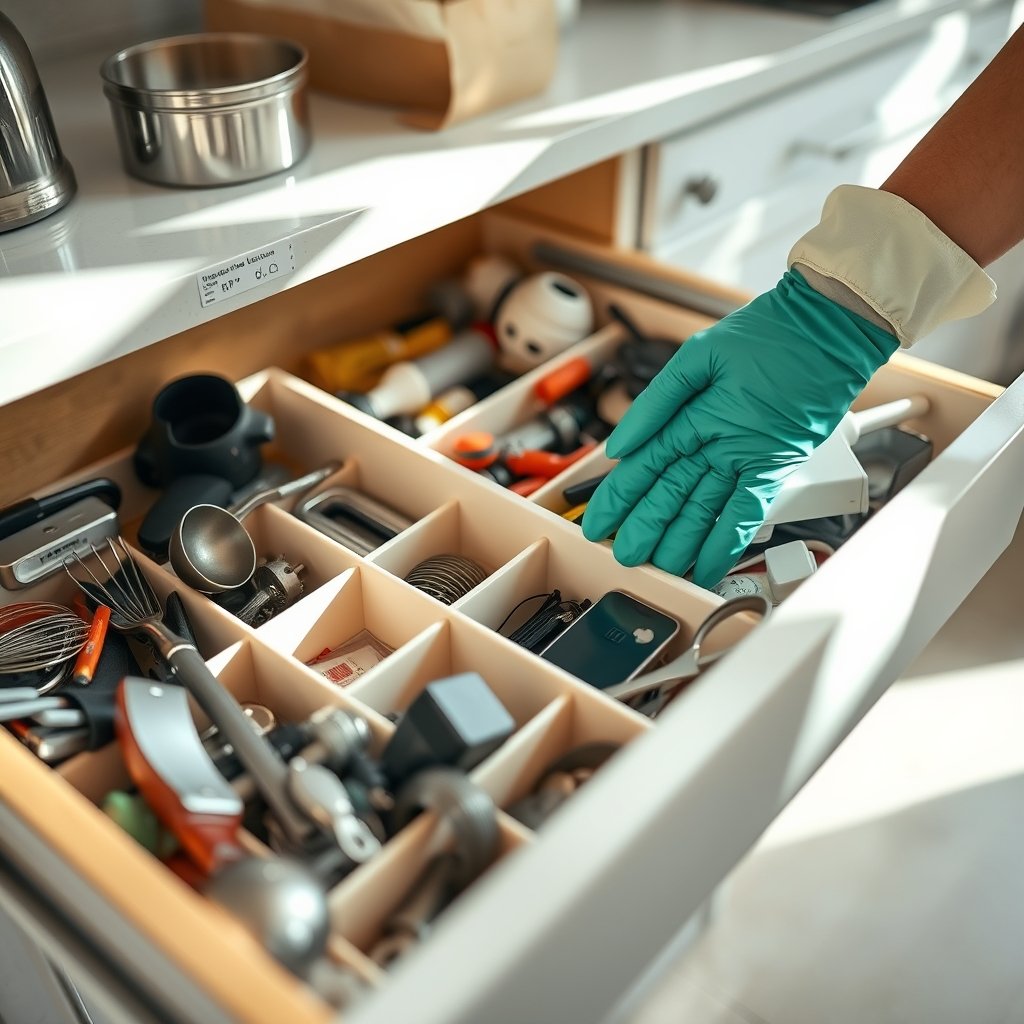
- Set a timer for 15 minutes. Target one surface—desk, countertop, shelf, or junk drawer.
- Sort fast: Keep, repair, donate, trash. Move fast, don’t rethink. Toss anything broken, expired, stained, unloved, or honestly never used.
- Finish with a visible “win.” Even one drawer or counter reset builds momentum.
Room-specific declutter targets:
- Kitchen: Expired pantry and fridge items, unused gadgets, duplicate utensils.
- Bathroom: Old cosmetics, expired meds, near-empty bottles, tub toys.
- Bedroom: Outgrown or unworn clothes, mismatched linens, under-bed clutter.
- Living Room: Old magazines, tangled cords, board games with missing parts.
Repeat this 15-minute purge every day for one week, tackling a new spot each day—and watch the chaos shrink. Further step-by-step declutter routines are detailed in this laundry organization checklist, which also works for non-laundry spaces.
Room-by-room spring cleaning checklist (kitchen, bath, bedroom, living areas)
The best spring cleaning checklist is actionable, visual, and highlights the biggest wins first. According to ACI survey data, the highest-priority tasks are:
- Organizing closets (51%)
- Washing windows (45%)
- Cleaning floors/carpets (43%)
- Cleaning ceiling fans (42%)
| Room | Must-Do | Nice-to-Do | Time Estimate |
|---|---|---|---|
| Kitchen | Declutter fridge/pantry, wipe counters/appliances, clean floors | Organize cabinets, clean oven, sanitize handles | 30-60 min |
| Bathroom | Scrub toilet/sink/tub, disinfect high-touch spots, mop floor | Organize drawers, descale showerhead, clean grout | 30-45 min |
| Bedroom | Dust furniture/fans, change bedding, vacuum floor | Rotate/vacuum mattress, wipe baseboards, sort closet | 30-45 min |
| Living Room | Vacuum/mop floors, wipe surfaces, dust electronics | Clean windows, treat upholstery, organize shelves | 30-45 min |
Add special attention to quick wins: clean a front window first, vacuum an entry rug, or clear a key surface—the visible impact boosts motivation for the next step.
Underrepresented deep-clean tasks to add to your checklist
The most effective spring reset cleaning routine includes some commonly ignored (but high-impact) deep-cleans. Many people admit they avoid these because they’re nasty or awkward: 49% dread hard-to-reach areas; 38% avoid the dirtiest spots; 31% never touch outdoor or garage areas (ACI survey).
Add these to your spring cleaning checklist this year:
- Rotate and vacuum mattresses (use upholstery or vacuum attachment, sprinkle with baking soda for odor control)
- Clean behind and under large appliances—move fridge, stove, washer/dryer if possible (be careful with water hookups!)
- Dust ceiling fans and light fixtures (use an extension duster; put a pillowcase over fan blades before dusting to trap debris)
- Scrub tile grout (apply baking soda paste, spray with vinegar, scrub with brush)
- Clean dryer vents (disconnect hose carefully, vacuum lint, reattach securely)
- Clear gutters and downspouts (wear gloves, use scoop, flush with hose—careful on ladders)
- Deep clean pet areas (wash bedding, sanitize hard surfaces, replace litter as needed)
- Run a digital/email declutter (unsubscribe, archive, set up folders, clear desktop files)
Neglecting these means allergens, bacteria, and clutter can sneak back fast. For more deep-clean ideas, including laundry-related strategies, check out our laundry basket checklist.
Common barriers and exact fixes (overwhelm, time, motivation)
Nearly a quarter of people who want to spring clean feel too overwhelmed to start. Another 16% say they can’t find time, and many just don’t know where to begin (survey source).
| Barrier | % Reporting | Fix |
|---|---|---|
| Overwhelm | 21% | Break tasks into small, 15-minute actions; use visual checklists for each room |
| Prefer other activities | 21% | Pair cleaning sessions with music, podcasts, or a post-task treat |
| Lack of time | 16% | Batch similar jobs and delegate when possible |
| Don’t know where to start | 4% | Follow a room-by-room spring cleaning checklist; start with one visible surface |
- Accountability helps: Swap checklists with a friend or roommate, or share progress for support and gentle pressure to finish.
- Reward system: Promise yourself a reward—watch a favorite show or order takeout—after a set of completed tasks.
- Use bite-size launches: Starting is hardest. Set a loud timer, promise 10 minutes, and stop if you hate it—you’ve still made progress.

Time-saving hacks, delegation, and when to hire help
Want to cut your cleaning time in half—or simply avoid turf wars over chores? Use these strategies for a more efficient spring cleaning plan:
- Batched tasks: Wipe all baseboards throughout the house before switching to windows or floors. Fewer trips, less setup.
- Delegate wisely: Give family or roommates clear, written lists. If delegating creates new stress, stick to solo sessions or trade off—sometimes, doing your own “shift” and sharing results is simpler.
- Treat time as an investment: If you hate scrubbing grout or vents, consider a one-time pro assist. Save outsourcing for hard-to-reach or heavy jobs that truly need expertise.
Divide up chores—never leave vague requests (“clean more”) on the table. For easy laundry-related time savings, check out our laundry organizing guide. For a fresh set of practical spring cleaning tips, try this concise list next.
Remember: most households break cleaning into six or more days, so give yourself permission to go slow without guilt (see survey).
A printable 2-week schedule & single-page spring cleaning checklist
If you want “just tell me what to do each day”—here’s a two-week schedule anyone can follow (whether you live in a studio or suburban house):
- Day 1: Declutter entryway, put away winter gear
- Day 2: Clean fridge & pantry, toss expired items, wipe shelves
- Day 3: Dust ceiling fans, light fixtures, and clean switch plates
- Day 4: Clean bathrooms—mirrors, sinks, tubs, toilet
- Day 5: Wash windows and windowsills
- Day 6: Vacuum/mop all floors
- Day 7: Laundry marathon—sheets, towels, curtains
- Day 8: Organize closet(s), donate unused clothes
- Day 9: Wipe baseboards/doors throughout home
- Day 10: Deep clean kitchen (appliances, sink, backsplash)
- Day 11: Rotate/vacuum mattresses, spot clean upholstery
- Day 12: Tidy garage/outdoor entry, declutter as needed
- Day 13: Clear digital clutter—emails, desktop, folders
- Day 14: Catch up on any missed spots; reward yourself!
Want a single, printable page? Use this spring cleaning checklist (PDF) for quick execution.
Time-pressed? Skip to any of these “start-here” tasks for fast impact: clear your entryway, scrub two neglected windows, vacuum high-traffic floors, or declutter one closet shelf.
This checklist is also handy for laundry room organization.
Spring reset cleaning routine — keep it from slipping
After the big annual effort, set up a sustainable cleaning routine to make sure you never face another overwhelming spring again. Most Americans only do a true deep clean once per year (about 80%), but small, regular habits make all the difference.
- 10-min Weekly Upkeep: Wipe bathroom sinks, declutter kitchen surfaces, vacuum entry mats, empty email trash.
- Monthly Mini-Reset: Scrub tub or fridge, wash one window, purge expired foods, dust a ceiling fan or light fixture.
- Seasonal Habit: At the start of each new quarter, do a “mini-spring clean” of just two rooms, rotating focus each time.
For all-in-one checklists, try our room by room spring cleaning schedule. For routines that keep your laundry area in shape, visit our step-by-step guide.
Bonus — quick checklist for outdoor, garage & digital declutter
Extend your room by room spring cleaning to high-impact but often-ignored areas—indoors and out—and declutter your digital life to finish your reset:
- Outdoor: Sweep porch/deck, clean patio furniture, replace burned-out exterior bulbs, touch up mailbox, rinse doormat
- Garage: Toss broken tools, recycle old paint/chemicals, organize shelves, sweep floor, wipe windows
- Digital: Delete 50+ unnecessary emails, archive completed tasks, change important passwords, run cloud photo backup
Research shows 31% of Americans avoid outdoor tasks like yard and gutters (see survey), so start with one 20-minute session—even a little resets the system. For deeper laundry or garage organization, this checklist will help.
FAQ
How long does a full spring clean really take?
Most people take 2–4 days or spread the work over several sessions. Trying to do everything in a single day usually leads to burnout and unfinished tasks.
What supplies do I absolutely need?
A few basics: microfiber cloths, scrub brush, all-purpose cleaner, mop, bucket, vacuum, and gloves. Homemade solutions using vinegar and baking soda can replace most specialty products.
How do you stay motivated through a big cleaning project?
Use timers, work in short bursts, and clearly check off tasks on a list. Visual progress and small rewards—like a favorite snack or break—help keep momentum high.
Should I hire professional help for spring cleaning?
It’s rarely necessary unless you have deep carpet needs, tough-to-reach vents, or mobility limitations. Most tasks are DIY-friendly with a good plan.
Can I re-use my spring cleaning checklist for fall or winter?
Absolutely. Minor tweaks for the season, but most core jobs—decluttering, surface cleaning, and routine deep cleans—apply any time of year.
Conclusion
The right spring cleaning tips are all about realism—start small, focus on what matters, and chip away using bite-sized plans and checklists. Add just a few deep-clean wins, and you’ll be amazed at how much less overwhelmed you feel. Ready to get started? Download your printable checklist, pick one “must-do” from today’s guide, and reclaim your space—no pros needed.
—
Related reviews
- Amazon Basics Storage Cubes Review
- Amazon Basics Wire Storage Review
- Amazon Basics Hanging Closet Organizer Review