


Dishwasher is not cleaning dishes? You are not alone—most dishwasher owners eventually face a load that comes out grimy, cloudy, or smelling odd. This quick, technician-approved guide will show you how to diagnose and fix it yourself before you call a pro.
Key Takeaways
- Correcting loading, detergent, and temperature resolves over half of “dishwasher not cleaning properly” cases at home without tools.
- Clearing clogged filters and spray arms fixes 75-80% of poor cleaning issues—do these checks first.
- Monthly cleaning cycles using citric acid or dishwasher cleaner, plus using rinse-aid, prevent most future dishwasher problems.
- Why Your Dishwasher Is Not Cleaning Dishes: The Core Causes
- How to Fix Dishwasher Not Cleaning: Step-by-Step Guide
- Advanced Analysis & Common Pitfalls
- Conclusion
- Quick FAQs
Why Your Dishwasher Is Not Cleaning Dishes: The Core Causes
If your dishwasher is not cleaning dishes well or leaving residue, it’s usually one of five core issues: a clogged or dirty filter, blocked spray arms, improper loading, water that’s not hot enough (below 120°F or 49°C), or wrong detergent type/amount. In fact, correcting the basics—how you load, what soap you use, and water temperature—solves 50-60% of cases according to appliance techs. Regular maintenance is key to avoiding repeat issues and surprise breakdowns.
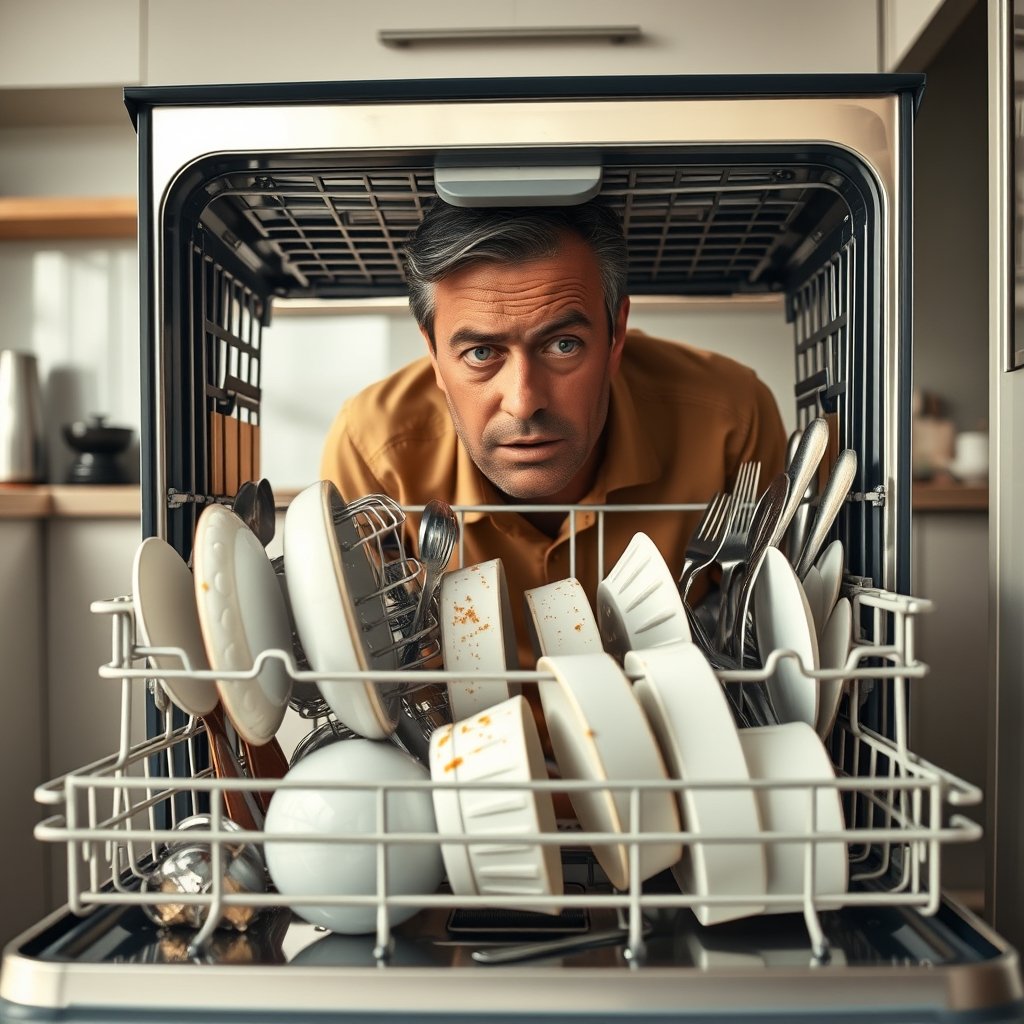
The most-cited complaints in 2026 reviews include food stuck on dishes, cloudy glassware, leftover suds, dirty top racks, and lingering odors. Every one of these is preventable and often fixable without new parts—especially if you know exactly what to check, and in what order.
Want a cleaner kitchen from top to bottom? See our kitchen cleaning checklist for proven appliance and surface cleaning steps.
How to Fix Dishwasher Not Cleaning: Step-by-Step Guide
Start with these quick triage steps, then move through the most common technician actions. Here’s how to restore your dishwasher’s performance today.
Step 1: Quick 3-Minute Triage
- Run your kitchen sink’s hot water for 1 minute before running your dishwasher. Dishwashers need water at 120°F (49°C) to work—cool water means weak cleaning (source).
- Check that the detergent compartment opens and that you’re using fresh, quality detergent (powder or pods work better for most people than gels).
- Inspect and refill rinse-aid—this boosts drying, prevents spots, and helps detergent rinse away.
- Check for overloading or poor loading: do not allow dishes to block spray arms or nest inside each other. Items facing toward the spray get cleanest.
- Run a short rinse cycle. Are things already looking improved? Often, addressing these basics solves the “dishwasher not cleaning properly” complaint without major work.
Step 2: Inspect and Clean the Filter (5-10 Minutes)
- Turn off the dishwasher’s power at the breaker or unplug it for safety.
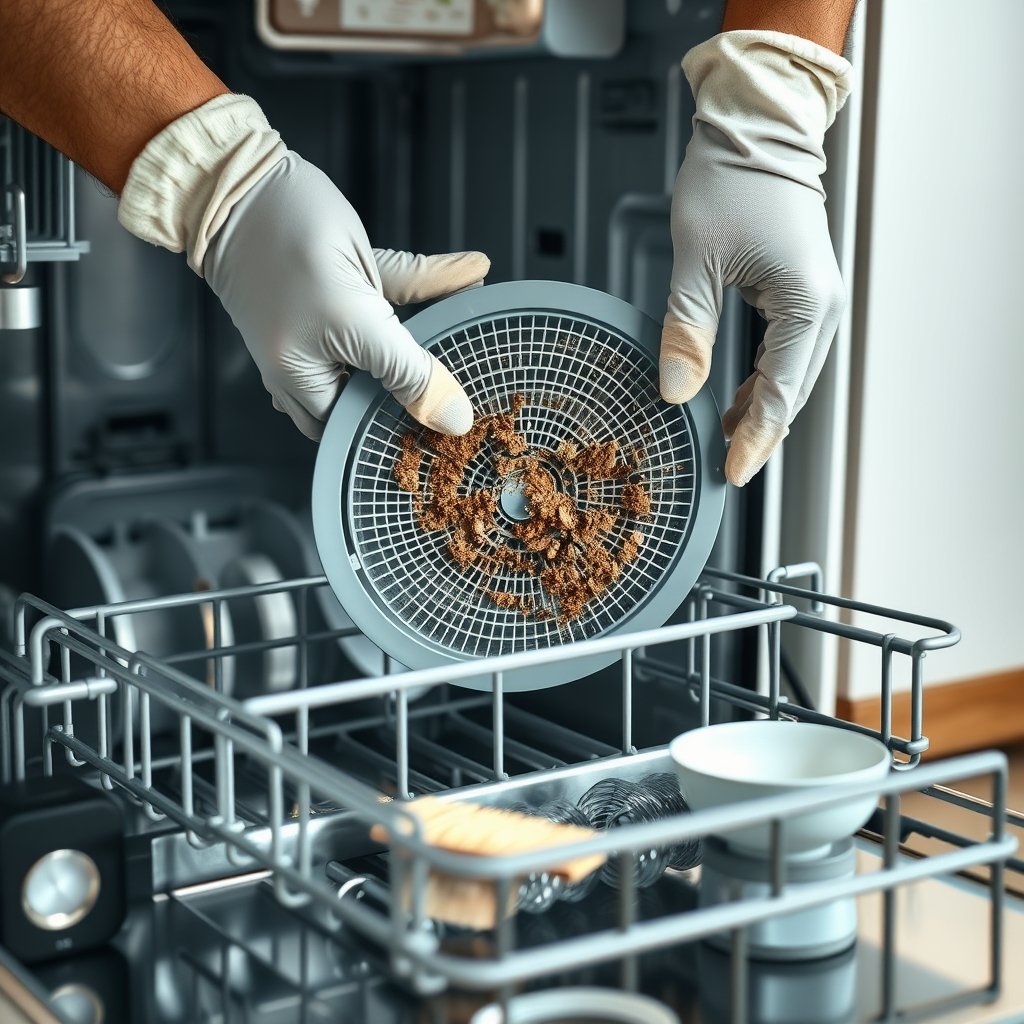
- Pull out the bottom rack, twist or lift the filter (typically in the bottom center), and rinse it under hot water. Use a soft brush to remove stuck debris and greasy residue.
- Clean the filter housing and the area around it—trapped food there causes odors and blocks water flow. Read detailed filter cleaning steps.
Step 3: Clear Spray Arms and Jets (10-20 Minutes)
- Remove both spray arms if possible. Hold each under the faucet—water should flow through easily.
- Use a thin wire or toothpick to gently clear out blocked spray arm holes.
- Reinstall each spray arm until it clicks or locks firmly (loose arms spin poorly).
Step 4: Run a Descale or Deep Clean Cycle (30-60 Minutes)
- Add a dishwasher-safe cup of citric acid or a commercial machine cleaner to the top rack. (Avoid vinegar for frequent cleaning—it can degrade rubber parts long-term.)
- Run a heavy or “Machine Clean” cycle empty, following your manufacturer’s instructions.
- Do this monthly if you have hard water or frequent odors/build-up.
Monthly cleaning cycles remove minerals and detergent film inside the pump, spray arms, and sump, restoring water flow. Most competitors skip recommending regular citric acid cleanings—even though techs know this prevents the majority of breakdowns.
Step 5: Confirm Water Temperature and Heater Function
- Use a kitchen thermometer to check your hot tap—it should read at least 120°F (49°C). If it’s low, raise your water heater’s setting.
- During a mid-cycle pause, open the dishwasher door carefully. The inside should be very warm and steamy. If not, your heating element may be failing (source).
Replacing a faulty heating element fixes 85–90% of heater-related washing problems. If you hear odd noises or have standing water after a cycle, see the troubleshooting steps below or contact a technician.
Step 6: Drainage, Blockages, and Top-Rack Fixes
- Check the drain hose under your sink—look for kinks, pinches, or improper loops that trap debris.
- Clear the air-gap (a silver cap near your sink) if present, as this often harbors clogs.
- If only the top rack is not cleaning, check both the upper spray arm and the water supply tube feeding it for blockages or loose fitting.
Want a printable home maintenance card? See our spring cleaning tips and checklist here.
Advanced Analysis & Common Pitfalls
Some issues go deeper, especially in areas with very hard water or older dishwashers. Here’s how common symptoms line up with the most likely root causes—and what usually fails when these aren’t addressed:
| Symptom | Most Common Cause | Action That Fixes It | Success Rate* |
|---|---|---|---|
| Dishes have food residue | Clogged filter or spray arms, improper loading | Clean filter & spray arms, reload properly | 75-80% |
| Cloudy glassware | Hard water, no rinse-aid | Add rinse-aid, monthly descale | 60-65% |
| Soap film or suds on dishes | Wrong detergent or excessive soap | Switch detergent, measure accurately | 50-60% |
| Top rack not cleaning | Spray arm blocked or not spinning | Clear upper spray arm, reseat mount | 80-90% |
| Foul odor inside dishwasher | Built-up debris in filter/sump/drain | Clean filter, run cleaning cycle | 70-80% |
*Based on service tech surveys and user reviews from 2024. See additional troubleshooting for persistent issues.
Common Mistakes & How to Dodge Them
- Overusing detergent (especially pods in soft water) leaves residue—measure detergent, and adjust down if you see film.
- Neglecting monthly descaling—hard water will silently clog jets, the pump, and the hose.
- Omitting rinse-aid—without it, glasses and plates can dry spotted or remain wet.
- Not re-installing spray arms tightly after cleaning, which causes poor spin and missed spots.
- Skipping a water temperature check—wash cycles just don’t work with lukewarm water.
If you’re dealing with persistent top rack grime, look inside the water port to the upper spray arm—it can be knocked out of place during loading, especially with tall pans. For fridge odors and cleaning tips, our refrigerator cleaning guide answers the most common appliance smell complaints.

Conclusion
Most homeowners can solve a dishwasher is not cleaning dishes problem in under an hour by cleaning the filter and spray arms, using the right soap and rinse-aid, and ensuring hot enough water. For stubborn issues, do a monthly deep clean and see if the issue keeps coming back. If you still have dirty dishes after trying these steps, it may be time to call a technician for heater or pump diagnostics—and let them know what you’ve already checked to save time and money.
Ready to keep the rest of your kitchen shining? Explore our deep-clean kitchen guide for more expert tips.
Quick FAQs
Why is my dishwasher leaving residue on my dishes?
Residue is almost always due to a combination of too much or the wrong detergent, water that’s not hot enough, or a clogged filter or spray arm. Start troubleshooting with a filter clean and a hot cleaning cycle, and measure detergent carefully.
Is my dishwasher broken if only the top rack is dirty?
Not necessarily. Usually, a loose or clogged top spray arm, improper loading, or a disconnected water supply tube is the culprit. Remove and clean the spray arm and check all connections before assuming a costly repair is needed.
Can I use vinegar to clean my dishwasher?
Occasionally, yes—a cup of vinegar on the top rack can help dissolve light build-up. However, for regular maintenance, citric acid or a commercial dishwasher cleaner is safer for rubber and plastic seals in most machines.
Is pre-rinsing dishes before loading necessary?
No. Heavy pre-rinsing can actually reduce cleaning power because it tricks the dishwasher’s soil sensor into running a weak, shorter cycle. Just scrape off large debris—let your dishwasher do the hard work.
When should I call a technician?
If you’ve cleaned the filter and spray arms, checked loading and temperature, and run a descaling cycle—but the dishwasher still doesn’t clean or you hear unusual noises, smell burning, or see leaks—it’s time for an appliance repair pro.
What to use to clean a dishwasher
If your dishwasher is leaving residue, check the filter and spray arms first — those cost nothing to fix. But limescale and grease also build up inside the pump and hoses where you cannot reach, and that is what a cleaning tablet is for.
- Dishwasher cleaning tablets. Run one in an empty machine on the hottest cycle, once a month. Affresh is the most widely stocked: 6-tablet pack, or the 12-tablet pack for a year’s supply.
- White vinegar in a bowl on the top rack is the cheap alternative and handles light limescale, but it will not shift baked-on grease inside the pump.
Clean the filter first regardless. No tablet compensates for a filter packed with debris — that is the single most common cause of poor cleaning.