


### Blog Post:
Mattress cleaning is one of the fastest ways to reduce allergens and odors in your bedroom, especially if you suffer from allergies, asthma, or have kids or pets at home. Done right, it can deliver clearer air—without over-soaking your mattress or leaving stubborn stains that just won’t quit.
Key Takeaways
- Deep mattress cleaning cuts allergy symptoms and removes stains and odors, delivering long-lasting results if you avoid common pitfalls.
- The most effective tactics involve extraction machines, peroxide-based stain removers, and using HEPA filtration right after vacuuming—methods many skip.
- Fast drying and regular maintenance prevent mildew and keep allergy triggers from building up, especially in older mattresses.
- Why mattress cleaning matters for health and allergies
- 6-step pro protocol for a safe deep clean (doable at home)
- Advanced analysis & common pitfalls
- Conclusion
- FAQ
Why mattress cleaning matters for health and allergies
Your mattress is a hidden reservoir for allergens like dust mites, dead skin, pet dander, and mold spores—even more so if you have an older mattress or allow pets and kids in bed. Studies estimate that a typical adult mattress can harbor from 100,000 to 10 million dust mite organisms (source). These allergens don’t just stay put—they get released into the air each time you move. Over time, this worsens rhinitis, asthma, and simple stuffiness for anyone sensitive.
About 20 percent of children with allergic rhinitis and around 12 percent of adults with persistent asthma connect at least some of their symptoms to their mattress or bedroom exposure (source). Even modest cleaning can provide genuine relief—and stopping stains and odors at their root stops the cycle of recontamination.

6-step pro protocol for a safe deep clean (doable at home)
Here’s exactly how to deep clean your mattress for allergy relief, odor removal, and a longer mattress life—without soaking the foam and risking mildew.
- Vacuum thoroughly with a HEPA-filtered vacuum and upholstery tool.
Spend extra time on seams, piping, and any tufted areas. This picks up allergen-loaded dust, skin flakes, and pet hair. Don’t forget the sides and, if possible, the underside of a flippable mattress. For more vacuuming tips, see Consumer Reports. - Spot-treat stains: Identify stain types—blood, sweat, urine, vomit, or pet accidents. Use a peroxide-based enzyme cleaner or a dilute (3%) hydrogen peroxide spray on protein stains. Apply, wait 5-10 minutes, blot up with clean towels—never scrub or over-soak.
For non-protein stains, enzyme cleaners or a mild dish-soap solution can be effective. For step-by-step stain removal details, see the Stain Guide below. - Choose a non-saturating cleaning method: Spray a gentle upholstery cleaner or vinegar-water mix lightly—never drench the surface. For deeper germs and odor, extract rather than just wipe. If renting, use the extractor on a low-moisture setting.
- Extraction or blotting: If using an extraction machine, go just damp, then extract as much moisture as possible. If not, blot vigorously with dry towels, pressing to wick out as much liquid as you can.
- Odor treatment: Sprinkle baking soda across the mattresses while damp. Let sit at least 30 minutes, then vacuum again. For persistent smells, enzymatic odor removers or a second peroxide/enzyme pass are usually best.
- Accelerated drying and air filtration: Open windows or run a fan/dehumidifier until fully dry—never remake the bed until the mattress is no longer cool or damp. After vacuuming, run a HEPA air purifier in the room or use a UV-C lamp (if available) to trap and neutralize any allergens kicked into the air. This step can reduce rhinitis symptoms by up to 30% even when allergen counts drop only moderately (source).
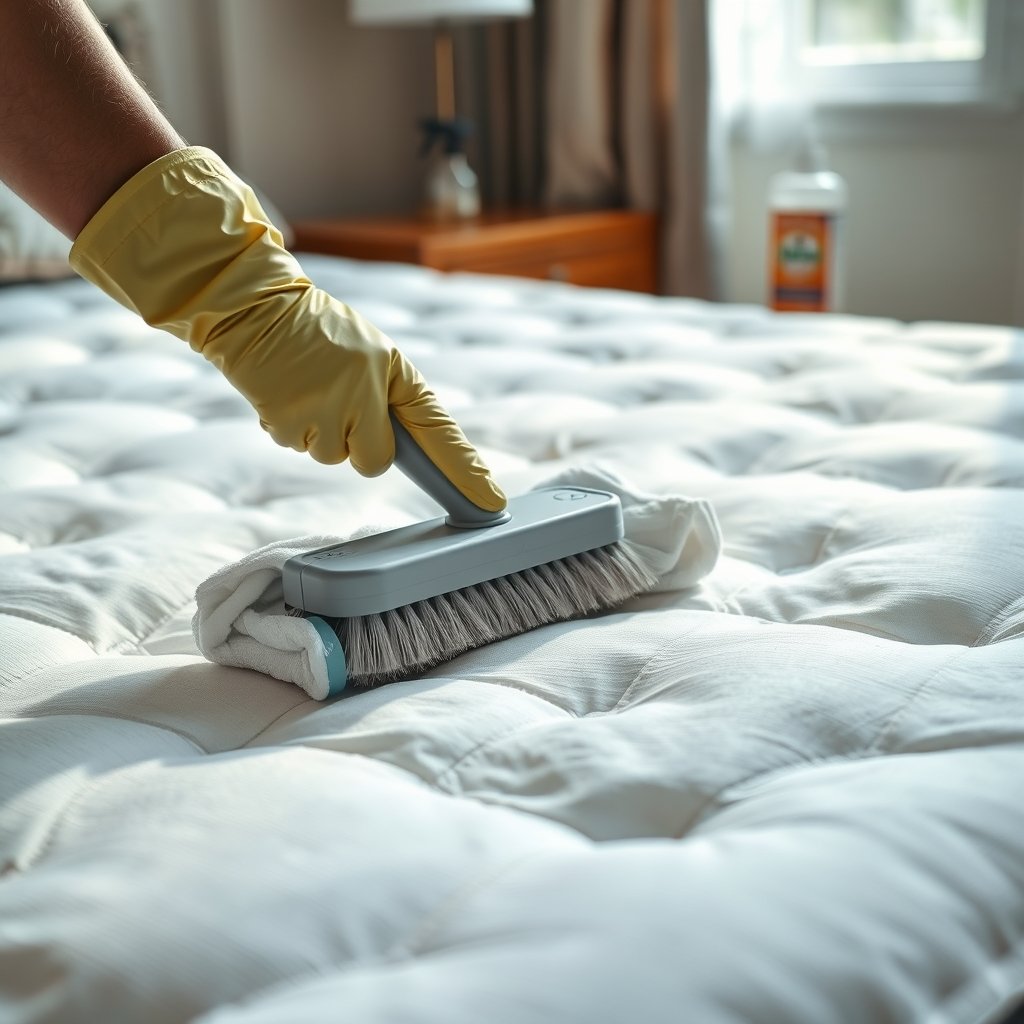
- Suggested tools: Upright or handheld HEPA vacuum, rented carpet or upholstery extractor (many hardware stores or supermarkets offer these), enzyme-based cleaner, 3% hydrogen peroxide spray, HEPA air purifier, UV-C lamp with timer, box fan or portable dehumidifier.
For more on deep cleaning other parts of your home, check out our guide to spring cleaning tips.
Advanced analysis & common pitfalls
Regular mattress cleaning is powerful—but common mistakes can sabotage your results or even damage your mattress. Here’s what to watch for, backed by research and real user experience:
| Pitfall | What Happens | How to Avoid |
|---|---|---|
| Over-saturating foam with water, soap, or spray | Slow drying; moisture gets trapped inside, leading to mildew, odors, and even permanent breakdown. Mold risk is high in thicker memory foams. | Always use extractor tools if possible. Never soak. Blot and dry as you go. HEPA purifier aids post-cleaning air drying. |
| Using only surface treatment for deep stains (like urine or sweat) | Bodily fluids can soak past the surface. Basic baking soda or vinegar fails to reach deep layers, so odors return quickly. | For pet or human stains, use enzyme or peroxide cleaner, let sit, then extract or blot repeatedly. Repeat as needed. |
| Skipping final air filtration | Allergen particles kicked up during cleaning linger in room air, causing allergy flareups after cleaning. | After final vacuum, run a HEPA air purifier for 1-2 hours or use a brief UV-C cycle if safe/appropriate. |
| Cleaning an unsalvageable mattress | Mold, persistent damp odor, or major core breakdown signals the end of usable life. Repeated deep cleans may not reverse the damage. | Replace mattresses past 7-10 years, or immediately if mold/mildew persists. Always use protective covers going forward (Mayo Clinic guidance). |
- Extraction units vs. manual: Community users report that rented or borrowed carpet cleaner attachments often dry the mattress fully by evening, versus several days with home-only methods (source).
- Routine maintenance: Skipping weekly bedding washes or not using encasements guarantees higher recontamination and may waste your cleaning effort. See our deep cleaning resource for related hygiene steps.
If you need to tackle kitchen or fridge odors too, read our kitchen cleaning guide and fridge cleaning strategy for expert tips.
Conclusion
Proper mattress cleaning is essential for anyone dealing with allergies, pet odors, or everyday messes—especially when your mattress is several years old or you’ve skipped regular protector use. The best results come from targeted stain removal, extraction cleaning, and immediate air filtration right after vacuuming. With this protocol, you’ll get fewer flareups and a mattress that stays fresh longer. Don’t forget: if stains or dampness persist despite repeated deep cleans, or your mattress is older than 7-10 years, replacement is the healthiest move.
Ready to get started? Try these steps today and unlock easier breathing, better sleep, and fewer allergy symptoms. For more cleaning wisdom, check our expert answers to “FAQ on mattress cleaning” below!
FAQ
How long does a freshly cleaned mattress take to dry?
With a rental extractor or powerful household fan, expect 4-8 hours for thorough drying. Avoid remaking the bed until the surface is no longer even slightly cool or damp. In humid or cool conditions, it may take overnight. Always ventilate well.
Is it safe to use a steam cleaner on my mattress?
Steam cleaners can effectively reduce surface germs, but they often inject too much moisture, especially into memory foam or latex. Extraction (inject and extract) machines are far safer. Always keep the process as dry as possible.
Will vinegar or baking soda fully remove mattress odors?
Vinegar and baking soda help with mild surface odors, but persistent smells from urine, vomit, or sweat usually require enzyme or peroxide-based cleaners. Repeated odor returns are a sign of deeper contamination.
How often should I deep clean my mattress?
For allergy relief, deep clean your mattress at least twice per year, or quarterly if you have pets, heavy allergies, or kids. Spot-clean accidents immediately. Always use a protector and wash bedding weekly at ≥130°F / 54°C.
When should I replace my mattress instead of cleaning it?
If your mattress is 7-10 years old, has visible mold or mildew, or fails to dry quickly after cleaning, it’s time to replace rather than continue cleaning. Persistent stains or odor that return after full protocol are another red flag.