


Pantry organization has become a must-have for urban homeowners and renters facing smaller kitchens, busier schedules, and real-life storage headaches. If you’re tired of overflowing shelves, lost ingredients, or pretty ideas that never quite work, this no-fluff guide will show you what actually solves small pantry pain points in 2026.
Key Takeaways
- The kitchen and pantry organization market is booming, with modern solutions tailored for small and irregular spaces—especially stackable, sustainable systems designed for real usage.
- Common frustrations—like lost items, awkward shelves, poor lighting, or labeling confusion—are now fixable with smart product choices, tricks, and maintenance routines that actually last.
- High-impact solutions include modular pull-outs, motion-activated lighting, DIY rental-friendly kits, app-linked labels, and covert minimalist storage for clutter-free aesthetics.
- Why pantry organization matters now
- Top user pain points with small pantries and food storage
- High-impact solutions competitors miss (what to buy and why)
- Quick wins for very small or oddly shaped pantries
- Smart & inventory solutions that actually save money and time
- Materials, sustainability & style: what to buy in 2026
- Shopping & prioritization guide (what to buy first)
- Pantry declutter checklist and routine (printable/actionable)
- DIY & rental-friendly conversions that look polished
- Maintenance systems that keep it working (behavior + tools)
- Cost vs. benefit: realistic budgets and ROI
- Final checklist + recommended product picks
- FAQ
Why pantry organization matters now
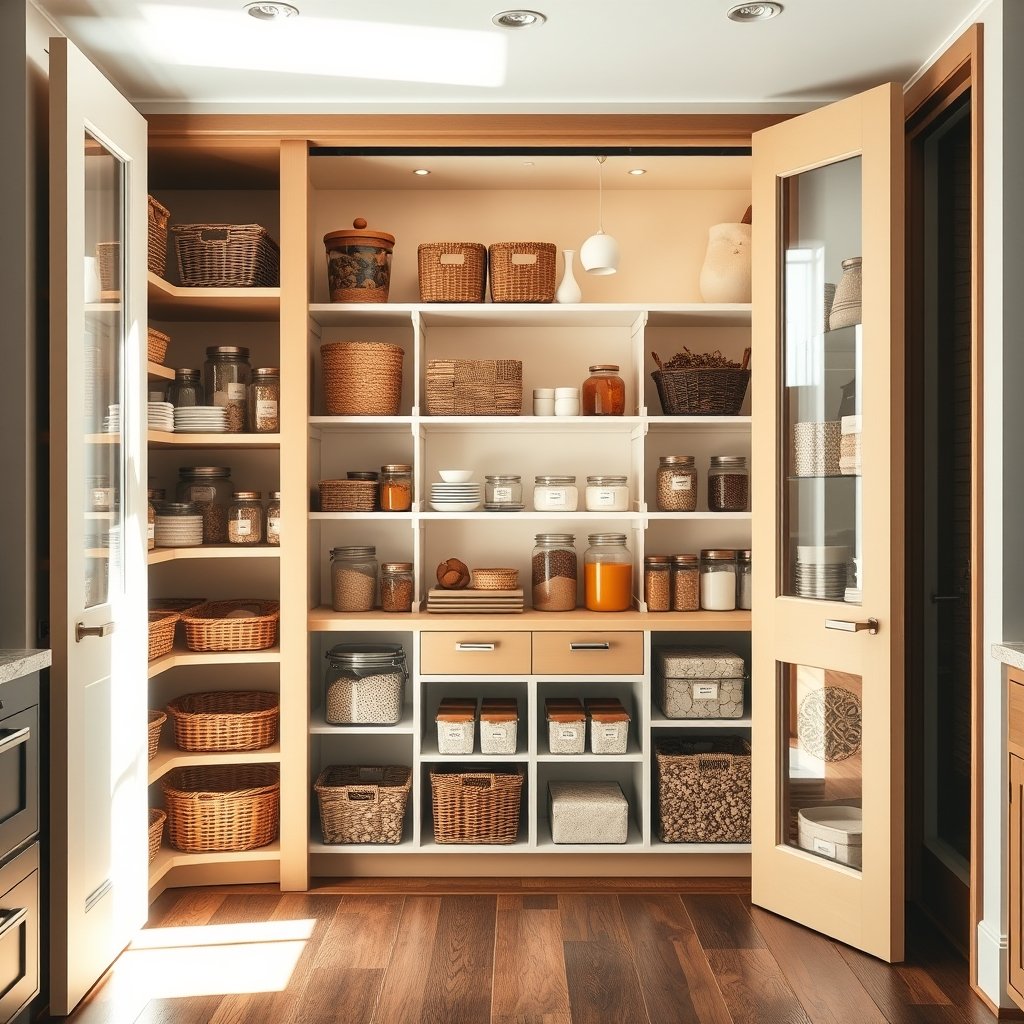
Crowded city living, work-from-home trends, and a surge in online grocery delivery have put massive pressure on storage space. Today’s urban kitchens rarely come with the generous pantries you see in magazines. With the global pantry-and-kitchen organization market hitting $14 billion in 2026 and 87 percent of homeowners choosing concealed, cabinet-integrated solutions, clutter is more than a style issue—it’s about efficiency and mental calm. More than 40 percent of purchases now happen online, with buyers seeking both minimalism and systems that genuinely solve messy, real-life storage problems (2024 industry research).
Top user pain points with small pantries and food storage
Market research and thousands of user reviews spotlight five recurring frustrations behind almost all small pantry organization fails:
- Inadequate shelf depth and odd dimensions: Deep or narrow shelves turn into “black holes,” making it hard to reach or see what’s in the back.
- Flimsy or non-airtight lids: Poor-quality bins and jars warp, leak, or fail to keep foods fresh, leading to food waste.
- Non-stackable or breakable containers: Glass looks pretty but often can’t be safely stacked or labeled, and plastic can crack or stain.
- Minimal adjustability: Fixed shelves or pull-outs don’t adapt for tall cereal boxes, cans, or awkwardly shaped bulk buys.
- Poor lighting and visibility: Deep or unlit cabinets make it easy to forget what you have, causing duplicates or expired foods.
Understanding these problems is the first step to choosing pantry storage solutions that work—and stick.
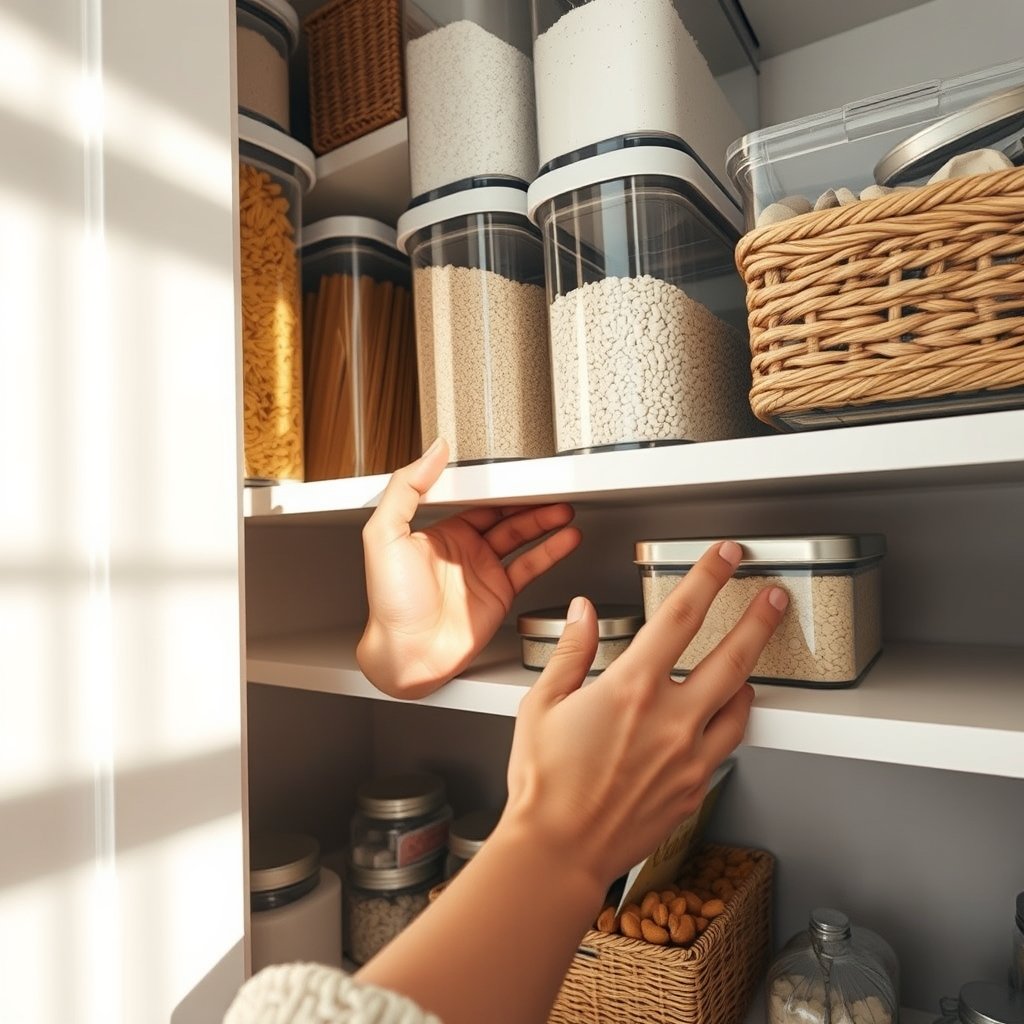
Addressing these pain points with targeted food storage organization systems keeps your pantry functional and frustration-free—even in the tightest spaces. For deeper cleaning tips and declutter strategies, check out our spring cleaning checklist for extra help during a reset.
High-impact solutions competitors miss (what to buy and why)
Most top-ranked guides focus on basic clear bins or pretty jars but miss high-ROI systems that actually solve small pantry roadblocks. Here’s what works (and why), based on 2024 research:
- Modular lazy-Susan corner units: Instantly transform unreachable pantry corners into high-access storage perfect for oils, jars, or baking staples.
- Wall-mounted magnetic spice racks: Free up shelf space and keep spices visible and labeled; ideal above doors or in skinny gaps.
- Pull-out drawers-style pantry systems: Turn deep shelves into sliding storage—especially game-changing for lower cabinets.
- Tension rod/clip-on vertical dividers: Create new “zones” for snacks, wraps, or bottles without damaging cabinetry. Perfect solution for renters.
- Built-in LED motion-activated lighting: Eliminate dark corners instantly. These stick-on strips or pucks make every inch usable and reduce “forgotten” items.
- QR labels: Stop wasting time digging for ingredients. Simple QR codes or inventory apps help track what’s on hand and alert you when things expire.
- Silicone stretch-lids and vacuum-seal kits: Replace piles of lids with a handful of reusable ones that fit any bowl or jar, plus keep food fresher longer.
- Convertible furniture and rental-friendly kits: Modular open shelving or stacking crates can expand with your needs and move with you—ideal for irregular layouts.
These products may not be front-and-center on every blog, but they’re getting top marks from real users for transforming small, awkward pantries into high-functioning, clutter-free spaces. If you want even more options, our deep dive on top pantry organizers breaks down stackable wire baskets, bamboo-lid jars, and other pro recommendations that work for tricky kitchens.
| Problem | Outdated Solution | High-Impact Modern Solution |
|---|---|---|
| Deep, dark shelves | More shelves | Pull-out drawers, LED strip lighting, matching deep bins |
| Cluttered spice jars | Loose spice racks | Wall-mounted magnetic racks with labels |
| No adjustability | Fixed wire baskets | Clip-on or tension-rod dividers, modular crates |
| Lost back-stock | Clear bins (wrong size) | Acrylic bins matched to shelf depth + QR labeling |
| Frequent spills/air loss | Cheap plastic lids | Silicone stretch lids, vacuum seal options |
Worried about food safety and kitchen maintenance? Don’t miss our fridge cleaning guide for easy routines to support your new pantry system.
Quick wins for very small or oddly shaped pantries
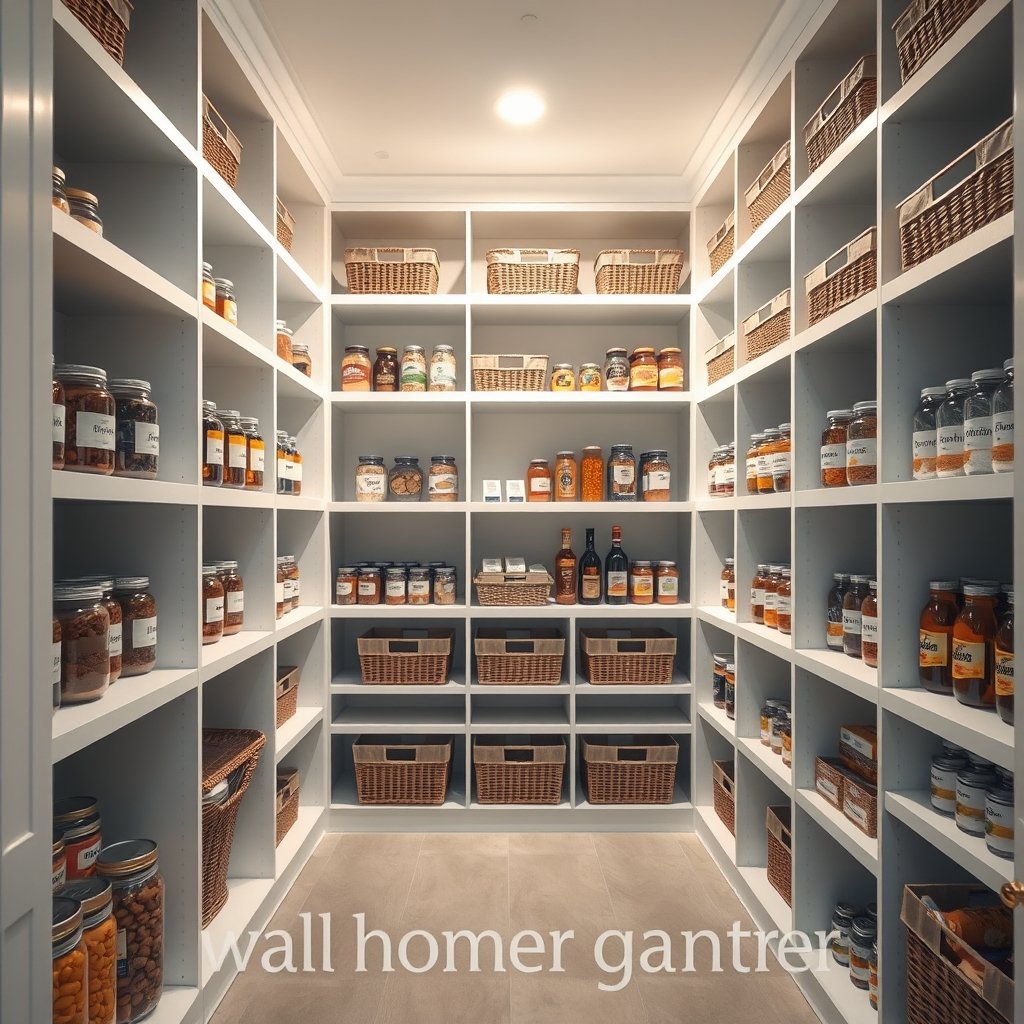
If you’re working with a micro-pantry, odd corners, or rental limitations, you can still have an organized space without spending a ton or drilling holes.
- Measure and map shelf depths: Make a quick drawing, noting depth and height. Only buy bins or baskets that “fill” each shelf side to side to prevent lost zones.
- Slim pull-out baskets: Slide-out mesh or acrylic bins fit tight shelves and make everything easy to access—great for snacks or canned goods.
- Over-the-door organizers: Add instant vertical space for spices, pouches, wraps, or cleaning supplies—even on narrow doors (2024 research).
- Tiered risers or step-shelves: Let you see everything at the back of deep shelves, preventing items from getting lost or expiring.
- Deep acrylic bins: Control chaos by dedicating a bin per zone (baking, snacks, cans). Choose bins that match shelf depth for max space (Wirecutter).
- Vertical dividers: Stand up trays, wraps, or packets for easy scanning and access.
Want a room-by-room spring reset? See our kitchen cleaning guide for a cleaning and organizing double-punch.
Smart & inventory solutions that actually save money and time
The average urban household wastes food every month—not from bad habits, but because items get buried, lost, or forgotten. In 2024, IoT-enabled smart storage grew 19 percent, but you don’t have to go full “smart home” to level up.
- QR labels: Create simple QR codes that link to your own pantry Google Sheet or inventory app. Scan on the way out to update your list or note expiry dates.
- Inventory apps: Use apps like Pantry Check, Sortly, or even basic spreadsheets for easy tracking and reordering.
- Smart containers: Premium containers now include date dials, humidity tracking, and app-syncing options—best for serious meal preppers or big families.
- Analog alternative: Want super low-fuss? Use large, clear labels with purchase/expiry date written directly on bins for quick glances.
When should you invest in tech? If you’re routinely overbuying or tossing expired goods, a simple QR/app solution usually pays for itself in months—without requiring a total pantry overhaul.
If you’re ready to overhaul multiple household zones, here’s how to maximize deep cleaning and organizing together for an annual reset.
Materials, sustainability & style: what to buy in 2026
In 2024, 37 percent of buyers prefer bamboo, recycled plastic, or natural wood for pantry storage solutions. Here’s what to consider:
- Bamboo: Renewable, stylish, and durable—great for baskets, risers, and lids. Tends to show fewer stains but isn’t dishwasher-safe.
- Recycled plastics: Lightweight, affordable, stackable, and easy to wash. Go for BPA-free and clear versions for visibility.
- Glass: Classy and non-toxic, but breakable and often non-stackable. Use for display zones or bulk dry goods only.
- Silicone: Flexible, airtight, and reusable for lids or small containers. Ideal for snacks, baking, or leftovers.
Mix and match to fit your budget and style, but always prioritize stackability and actual function over pure aesthetics. If you want maintenance tips and cleaning routines to keep materials looking their best, see our pro kitchen cleaning checklist.
Shopping & prioritization guide (what to buy first)
Stocking up all at once? Prioritize these categories and price ranges based on the frustrations they will fix:
- Visibility (lost zones, deep shelves):
– Budget ($): Clear acrylic bins, over-door racks
– Mid ($$): Pull-out wire baskets, motion-activated LED strips
– Premium ($$$): Full pull-out pantry drawer conversions - Shelf depth and adjustability:
– Budget: Tension rods, stacking crates
– Mid: Modular risers, clip-on dividers
– Premium: Custom drawer pantries - Spills/airtightness:
– Budget: Reusable silicone lids
– Mid: Lock-tight plastic sets, bamboo lid jars
– Premium: Smart vacuum seal kits - Lighting:
– Budget: Stick-on LED pucks
– Mid: Rechargeable LED strips, motion sensors
– Premium: Pro-integrated cabinet lighting
Demand for pantry organizers surged 26 percent and minimalist products rose 31 percent in 2026—multipurpose, stackable items stretch your dollars the farthest (market research).
Pantry declutter checklist and routine (printable/actionable)
Start here when resetting your pantry, moving, or tackling ongoing clutter. Follow these steps every 3-6 months or as needed:
- Purge: Remove everything. Toss expired items, donate duplicates, recycle broken containers.
- Zone: Group foods by category (snacks, baking, canned, grains).
- Measure: Record shelf heights, widths, and depths. Sketch a quick shelf map (visual: take a “before” photo).
- Label: Use large, easy-to-read labels. For new systems, try labeling bins, baskets, and shelves until it becomes a habit (expert advice).
- Contain: Only place items into bins or baskets that fit your shelf depth. Use tiered risers to prevent back-of-shelf “black holes.”
- Maintain: Schedule a weekly 5-minute scan (for spills/lost items) and a monthly 15-minute inventory check.
Printable checklist layout:
- ☐ Remove all items
- ☐ Toss expired or stale foods
- ☐ Wipe shelves, map shelf depths
- ☐ Group by zone (list zones)
- ☐ Label containers/shelves
- ☐ Restock by zone
- ☐ Set recurring calendar reminder for monthly review
Want a template for the rest of your kitchen? Try our kitchen cleaning checklist to pair cleaning with organizing.
DIY & rental-friendly conversions that look polished
No drills, no lasting marks. Here are low-damage upgrades for renters or anyone after a quick, flexible fix:
- Tension rails: Slot between existing shelves to make vertical dividers for trays, cans, or bottles.
- Clip-on dividers: Plastic or bamboo, for instant sectioning of wide shelves.
- Removable LED strips: Rechargeable or battery, stuck to undersides of shelves for instant lighting.
- Adhesive magnetic spice strips: Holds metal-lidded jars right on inside doors or spare wall patches.
- Stackable modular crates: Combine as needed; move and re-stack during a move or for seasonal reorganizing.
Basic rental-friendly kit:
– 2-4 deep acrylic bins ($25-50)
– 2-3 tension rods ($10-15)
– Set of stick-on LED pucks ($15-30)
– Magnetic spice strips ($10-15)
– Clip-on shelf dividers ($15)
Total: $50-100, all removable and reusable in your next home. For even more DIY hacks, review our full home cleaning and declutter checklist.
Maintenance systems that keep it working (behavior + tools)
No system lasts unless routines and behaviors support it. Borrow these pro “maintenance stacking” tricks:
- One-in/one-out rule: For every new food item, toss or use up one older one.
- Landing zone: Dedicate a surface or basket for new groceries to be sorted before they “enter” the pantry.
- Consistent labeling: Label until you never put an item in the wrong zone, then remove or update as needed.
- Shelf photo inventory: Snap a photo after restocking. Use it next time you shop to avoid duplicates.
- Purge reminders: Tie monthly inventory checks to a digital calendar or phone alert.
Since 87 percent of homeowners prefer concealed pantries for calm, always shut the doors and keep the outside clear (2024 industry research). For more kitchen tips, see our guide on deep fridge cleaning.
Cost vs. benefit: realistic budgets and ROI
A DIY small pantry refresh can start at $50-150 (bins, labels, over-door rack). A moderate overhaul with new pull-outs, lighting, and sustainable materials lands in the $150-500 range. Custom drawer or “smart” solutions can run $500 and up but may add resale value or save thousands by reducing duplicate purchases and food waste (industry report).
With over 40 percent of small pantry storage solutions now purchased online, and market growth focused on modular organizers, your budget will stretch farther (especially during sales) if you prioritize multi-use and stackable pieces first.
Final checklist + recommended product picks
Here’s a short list of proven, user-loved products and categories for tackling common pantry frustrations:
- Clear, deep acrylic bins (The Container Store/Target): Virtually eliminate “lost zone” food, fit shelf depth, and make snacks immediately visible.
- Modular lazy-Susan corner unit: Turns awkward corners into usable, rotating storage—solves access pain point.
- Stick-on, motion LED strips: Adds instant light to dark cabinets, helps with late-night snack runs and reduces forgotten food.
- Stackable, airtight bamboo/glass jars: Aesthetic, sustainable, keep dry goods fresher and visible. Bamboo lids are trending.
- QR/app-linked inventory labels (DIY or Etsy): Easiest upgrade for serious organizers or meal planners; keeps track of expiring food.
For the minimalist look in small spaces, focus on stackable and adjustable items. According to 2024 trends, these category picks are rising fastest among design-conscious urban buyers.
Ready to tackle your own pantry organization project? Snap a “before” shelf map, label everything, and share your favorite quick fix below!
Conclusion
Whether your kitchen pantry is a skinny cabinet or an irregular closet, the right pantry organization system will pay for itself in saved time, less waste, and more calm. Start with measurements, choose sustainable and stackable tools, and keep things visible and labeled until new habits click into place. For more practical home updates, check out our cleaning and organizing guides and take your first step to a truly usable kitchen today!
FAQ
What is the most effective way to organize my small pantry?
Measure your shelf depths, use bins that fit each shelf, add over-door organizers, and include clear labels. Use tiered risers or pull-out baskets for deep shelves to eliminate “lost” items.
Should I use glass, plastic, bamboo, or silicone containers?
Each has pros and cons—glass is stylish but breakable and often not stackable. Plastic is lightweight, affordable, and stackable but may stain. Bamboo and silicone are sustainable; bamboo is best for lids and baskets while silicone is great for airtight, flexible lids.
How often should I declutter and clean my pantry?
Do a full reset every 3-6 months, with a 5-minute weekly scan for spills and a 15-minute monthly inventory check. Labeling zones and containers helps form lasting organization habits.
Are smart pantry solutions worth it?
QR labels and simple inventory apps offer big value for the cost. Go fully “smart” (IoT-enabled) only if you have frequent overstock problems or want integrated expiry tracking for a large household.
Can I organize my pantry if I am renting and can’t drill or build in?
Yes! Use tension rods, clip-on dividers, stick-on LED strips, over-door racks, and modular crates—all can be removed without any damage or marks when you move out.